
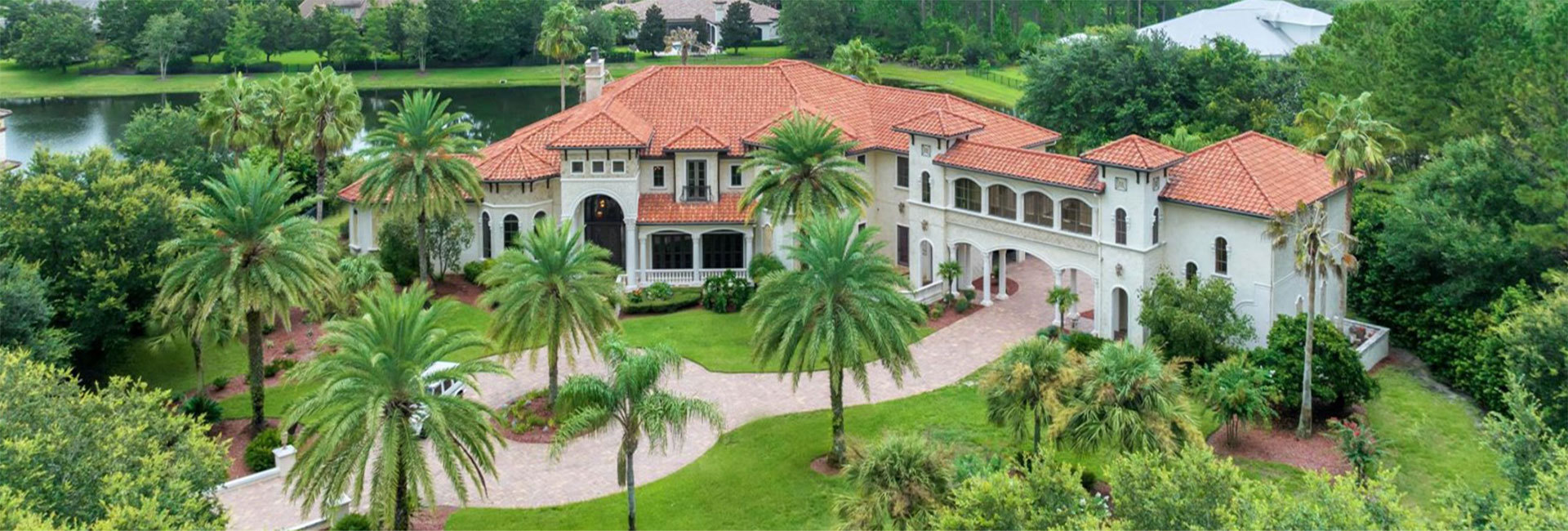
Florida’s Luxury Renaissance: A New Era of Purpose-Driven Development
In today’s fast-changing real estate landscape, Florida is rewriting the rules of luxury development. Recent projects in Daytona Beach Shores and Tampa’s Ybor City show that the hour is ripe for innovation that prioritizes history, culture, and local identity. Far from being just flashy skyscrapers or ostentatious developments, these projects are making a compelling case for progress that respects the past while embracing the future.
Rather than simply striving for modernity and opulence, developers and global brands are choosing to build on a foundation of legacy and authenticity. The partnerships behind these projects—from a storied British automaker to a dynamic local real estate developer—seem to prove that, when it comes to design and development, going back to your roots can be the key to overcoming the tricky parts and tangled issues of today’s property market.
Building on History: A Strategic Partnership with Local Flavor
Aston Martin’s collaboration with Clearwater-based Valor Real Estate Development on the Aston Martin Residences Daytona Beach Shores project illustrates how a global brand can align its high-end image with Florida’s own cultural narrative. The oceanfront location, steeped in the history of early auto racing, is not just a building—it’s a living tribute to a time when innovation was on full display.
In a similar vein, KETTLER’s Gasworx development in Ybor City honors Tampa’s past by naming its new buildings after key figures and industries that helped shape the community. For example, new structures like The Luisa, Olivette, and The Stevedore encapsulate important narratives from Ybor City’s heritage, paying homage to influential stories and local traditions.
Luxury with a Purpose in Florida’s Coastal Communities
The Florida luxury scene has traditionally focused on the southern coast—Miami, Palm Beach, and Fort Lauderdale have long set the standard for upscale design. However, recent developments are steering consumers’ attention towards north Florida. Here, authenticity is as important as style, and meaning carries just as much weight as any polished finish.
Developers like Valor understand that success is not solely measured by the size of the building, but by how well it resonates with its environment. Their approach is one of careful listening, observing what an area currently has, and then adding a layer that intentionally bridges past traditions with current demands.
Emphasizing Authenticity Over Flash: The New Paradigm
In today’s market, there is a growing trend where authenticity trumps superficial luxury. Many potential buyers now look for more than just a well-designed façade—they search for a connection to the community and a story that makes each property stand out from the crowd. While opulence remains attractive, purpose, integrity, and cultural relevance are becoming super important factors.
Finding Your Way Through Design’s Hidden Complexities
Creating projects that blend classic legacy with modern chic is not without its challenges. Developers must work through a variety of tricky parts and tangled issues to bring such creative visions to life. These projects are often full of problems as technical requirements mix with historical preservation mandates and modern amenities. However, the result can be transformative—a renewed sense of identity for cities like Daytona and Tampa alike.
Rather than being overwhelmed by the nerve-racking demands of preserving history, developers are choosing to get into the fine details. This means carefully considering the little details and subtle parts of a community’s heritage, and then adapting them to fit a modern context. It’s a balancing act that requires both creativity and practical insight.
Lessons from the Past: Respecting Local Identity in Modern Developments
Both the Aston Martin Residences and Gasworx developments demonstrate that history is far more than just an aesthetic—it’s an intrinsic element of the project’s identity. In Daytona, for instance, the choice to build on an area steeped in racing history is a nod to the region’s pioneering spirit. The project carries with it the story of early drivers who once raced against the tide, setting the stage for a culture built on speed and innovation.
Across the bay in Tampa, the new buildings in Ybor City are designed to evoke memories and honor traditions that many locals hold dear. The project’s emphasis on preservation of cultural heritage is not just about nostalgia; it has become a competitive edge that simultaneously attracts global luxury brands and appeals to an increasingly discerning clientele.
Key Takeaways from Florida’s New Developments
- Legacy as a Competitive Advantage – Designs that incorporate historical narratives offer a unique market edge.
- Global and Local Synergy – Partnerships between well-known international brands and local developers yield projects that resonate both on a global stage and within the community.
- Authenticity Reigns – Today’s buyers want properties with soul. They are drawn to developments that carry a genuine sense of place and purpose.
- Design as Leadership – Rather than following trends, these projects are setting new standards by integrating tradition with innovation.
These takeaways suggest that future success in real estate lies not solely in aesthetics or opulence, but in delivering thoughtfully designed projects that honor the past while looking ahead. The new Florida developments remind us that when we build into our cultural and historical memories, we set a foundation that is both resilient and inspiring.
Embracing Community Identity in a Changing Market
Florida’s growth is not just about large-scale investments or sleek new towers—it’s about strengthening community identity. Developers like Valor are in the business of figuring a path that not only introduces luxury into the market, but also builds on what makes each community unique. This is especially significant in regions like Tampa Bay, where the rapid pace of urban development can often overshadow local traditions.
By bridging design with history, projects such as these serve as reminders that every new building is an opportunity to renew and reaffirm community identity. They show that leadership in development is about more than mere profit; it’s about crafting a narrative that stands the test of time.
Cultural Identity as a Blueprint for Sustainable Growth
One of the standout aspects of these projects is their commitment to respecting cultural identity. In the case of Gasworx, for example, incorporating the history of Ybor City is not a superficial detail but rather an essential design element. The naming of buildings after important local figures and industries underlines a broader trend: the desire to align development with the environment’s inherent story.
With every new structure, the developers highlight the city’s early dockworkers, lecturing women, and the spirit of international connectivity that once defined the region. Such design choices are not merely aesthetic—they are strategic decisions meant to appeal to both local residents and global clientele looking for communities with deep-rooted character and integrity.
Design as Leadership: Crafting a New Narrative for Florida
Moving beyond traditional design principles, both Aston Martin in Daytona and KETTLER’s Gasworx in Ybor are embracing a concept of design as leadership. The idea here is simple: when a development is built on principles of craftsmanship, transparency, and respect for history, it becomes a beacon for what the future should look like.
Stefano Saporetti of Aston Martin encapsulated this sentiment by explaining that “luxury is not only possession; it is experiential.” This means that the value of a property isn’t just measured in square footage or modern amenities—it’s measured in the experience provided by its connection to local culture and history.
Likewise, at Gasworx, the design process is infused with a deep respect for Ybor City’s legacy. Each building carries forward a piece of the city’s story, whether it’s a tribute to pioneering women or a reminder of the maritime influences that once shaped Tampa. Such thoughtful integration of the past into modern design proves that progress can indeed honor tradition.
Bridging the Gap Between Global Ambitions and Local Roots
The partnerships forming these projects reveal a shift in how global brands approach luxury development. No longer content to build in isolation, they are increasingly interested in tapping into local stories that add depth and uniqueness to their projects. This strategy is about more than attracting buyers—it’s about setting a tone that encourages a deeper engagement with the local culture and economy.
For local developers, these collaborations also mean having a platform to showcase their expertise in managing your way through the complicated pieces of development while preserving the delicate balance between change and continuity. In turn, this synergy creates environments that are built on the hard work and stories of the past, combined with the promising energy of the future.
Adapting to the Market: How Heritage-Inspired Developments Build Resilience
In the fast-paced world of real estate, the ability to adapt and remain resilient amid shifting market dynamics is key. The recent projects in Daytona and Tampa illustrate that integrating a strong sense of heritage can act as an anchor in unpredictable times. This approach isn’t about living in the past—it’s about using historical insights as guidance for building sustainable communities.
The executives steering these projects make a compelling case that every strong future begins with respect for where it all started. Whether it’s by marketing a property’s rich historical background or by incorporating time-honored craftsmanship into design, developers are increasingly recognizing that a deep connection to history is super important for long-term success.
Advantages of Heritage-Driven Development
- Building Trust: Properties that honor cultural identity tend to generate more trust among buyers and investors, making them feel like part of a larger, storied continuum.
- Sustainable Growth: When developments exude a sense of history, they become more than just transient investments. These projects lay down roots that can grow and evolve over time.
- Market Differentiation: In an often crowded luxury market, a narrative anchored in heritage and cultural significance sets a project apart from more generic offerings.
- Community Engagement: Preservation of local identity fosters deeper community connections, encouraging residents to appreciate and take pride in their neighbourhoods.
Each of these benefits contributes to a resilient model of growth—one that stands up to the test of time by ensuring that progress and local identity are mutually reinforcing. In the end, authenticity and genuine connection to heritage prove to be indispensable assets for both buyers and investors alike.
Forecasting the Future: The Next Phase of Florida’s Luxury Evolution
Looking forward, the developments unfolding in Daytona Beach Shores and Tampa Bay signal more than just a trend—they are a preview of the direction Florida’s luxury market is taking. Future projects promise to extend the legacy-driven model into new territories, including potential ventures in international markets such as Mexico City.
The underlying message is clear: progress built on heritage is not only measurable in economic terms but also in the way it reinforces community spirit and long-term resilience. As more global brands pledge their trust to regions like Tampa Bay, it’s evident that the blend of history and modernity is more than just a passing phase—it represents a robust strategy for sustainable, meaningful growth.
What Lies Ahead for Florida’s Luxury Market
Several key trends are likely to shape this next phase:
- Global-Local Collaborations: More international brands will partner with local developers, leveraging local history to create unique, attractive properties.
- Emphasis on Storytelling: Initiatives that integrate storytelling into design and marketing will become increasingly prominent, reflecting the deep-seated value of heritage in every property.
- Sustainable Practices: As communities become more environmentally and culturally aware, sustainability will include not just green building practices but also the preservation of historical narratives.
- Community-Centric Developments: Future projects will likely foster environments that connect people to the local landscape, history, and culture in more organic, meaningful ways.
This refreshing focus on legacy and authenticity in Florida’s luxury market underscores a broader real estate evolution—one where getting into the fine points and subtle parts of local culture is just as critical as modern innovation. Developers and global brands alike are beginning to see that the path forward is not about leaving the past behind but about weaving it into every new layer of design.
Integrating Local Narratives: A Blueprint for Balanced Urban Growth
The trend toward heritage-driven development is also reshaping urban growth strategies. Instead of following a singular focus on building high-density, glittering towers, developers are now taking a more balanced view—one that factors in historical identity, community engagement, and the need to protect local traditions.
This more nuanced approach champions the idea that true urban progress is achieved not by overshadowing history, but rather by celebrating and integrating the memories that define a place. By doing so, developers are managing your way through complicated pieces and figuring a path that sustains cultural identity while accommodating state-of-the-art innovations.
Community Benefits of Inclusive Development Practices
- Enhanced Local Pride: Projects that honor local heritage instill pride in the community, reinforcing a shared identity among long-time residents and newcomers.
- Economic Stability: Developments grounded in authentic local narratives tend to attract both high-end investors and local businesses, contributing to a more stable economy.
- Collaborative Innovation: When developers work with local historians, architects, and cultural experts, the result is a richer, more inclusive project that resonates on multiple levels.
- Long-Term Viability: Emphasizing local culture and history ensures that new projects are not merely transient phenomena but become integral parts of the community fabric for generations to come.
These benefits reinforce the idea that heritage-driven development is a win-win for all involved. It not only enriches the urban landscape but also inspires a collaborative spirit between developers and communities—a synergy that is essential in today’s dynamic real estate market.
Emotional Connection: The Heartbeat of Modern Real Estate
In an era of rapid technological advances and market fluctuations, one element remains constant: the human need for connection. In modern real estate, this means that a property’s story and historical context can serve as a powerful emotional anchor for potential buyers. Rather than merely providing a shelter, a well-conceived luxury development offers an experience steeped in community memories and cultural significance.
Take, for example, the design ethos behind the Aston Martin Residences Daytona Beach Shores project. More than just an exquisite high-rise, the development is an homage to Florida’s storied racing heritage—a narrative that sparks recollections of spirited early auto races and the pioneering ambitions that shaped the state. Such storytelling transforms a building into a living, breathing part of Florida’s ongoing evolution.
This emotional connection is reinforced by thoughtful architectural touches and detailed cultural references. Whether it’s the careful choice of names for buildings or the design motifs that subtly echo local art and history, these elements create an environment where every stone and every line is a tribute to the past and a beacon for the future.
How Design Shapes Emotional Resilience
Here are a few key ways in which design infused with historical context can strengthen community bonds:
- Shared Memory: Projects that reference local history create a sense of shared memory, helping to unite communities around a common narrative.
- Emotional Relevance: When buyers see their cultural background reflected in design, it lends a sense of personal significance to the property.
- Symbolic Value: Historical motifs and culturally significant names in development become symbols of continuity, inviting residents to participate in a larger, ongoing story.
- Long-Lasting Appeal: Emotional ties to heritage ensure that developments remain relevant even as market trends evolve, offering both stability and familiarity.
Ultimately, these emotional connections remind us that real estate is not just about square footage or modern facades. It’s about the feelings a place evokes and the stories it tells—a lesson that modern luxury development seems to be embracing wholeheartedly.
Conclusion: A Future Built on Memory and Meaning
In wrapping up this exploration of Florida’s luxury renaissance, one thing is abundantly clear: the era of sole emphasis on sleek materials and rapid high-rise construction is coming to an end. Instead, the market is shifting towards developments that genuinely honor their roots, valuing community identity, cultural narratives, and thoughtful design.
The daring partnerships between international luxury brands and local developers signal hope for a future where progress is measured not by quick wins but by enduring quality. With projects in Daytona Beach Shores and Ybor City setting the standard, it’s evident that heritage-driven development is more than a trend—it’s a robust blueprint for balanced urban growth.
For investors, developers, and homeowners alike, this means that every new project is an opportunity to reconnect with history, learn from the past, and forge a path that combines modern sophistication with cultural authenticity. In a market where many find the twists and turns of modern development intimidating, these projects offer a reassuring reminder that every strong future begins with a respectful nod to where it all started.
By carefully taking a closer look at history and integrating those little details into modern designs, Florida’s new luxury developments are proving that legacy is not a burden, but a competitive advantage. They are a testament to the idea that beauty, innovation, and authenticity can coexist, forging a prosperous pathway for the future.
As we look ahead, one thing remains certain: Florida’s real estate market will continue to evolve, drawing strength from its rich past while shaping an exciting, inclusive future. Whether you’re a local resident or an international investor, these developments invite you to join in a journey where every brick laid is a tribute to the past, and every design decision a whisper of what is yet to come.
The legacy of Florida is alive and well—etched into every structure, every thoughtful detail, and every shared story. In this new era of home improvement and luxury, history is not just remembered; it is actively reinvented, ensuring that each new chapter is as meaningful as it is innovative.
In conclusion, the message from Daytona to Tampa is clear: the future of real estate lies in the perfect blend of tradition and progress, where design is not only about what stands tall, but also about what stands the test of time. This evolving landscape serves as a reminder that every strong future begins with respect for the past, that every new development is a narrative waiting to be told, and that legacy-driven growth isn’t just a strategy—it’s a commitment to enduring excellence.
Originally Post From https://tbbwmag.com/2025/10/22/ybor-aston-martin-daytona-development/
Read more about this topic at
The Legacy Company’s Guide to Innovation
Stuck in your Legacy Solutions? Why Innovation Matters

