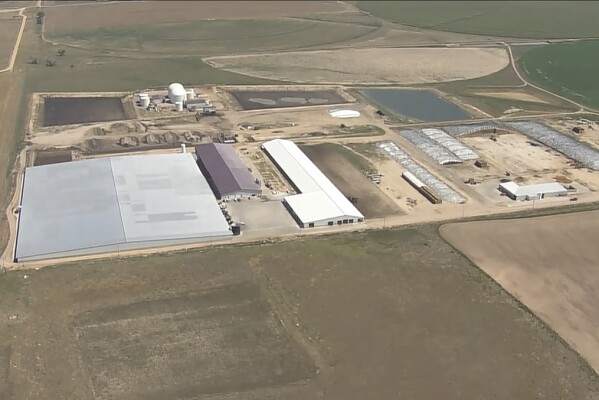
Tragic Incident Highlights: Gas Exposure and Rural Dairy Safety
The heartbreaking incident at Prospect Valley Dairy near Keenesburg, Colorado, has sent shock waves through the local community and raised important questions about gas exposure risks in rural dairy operations. Six Hispanic workers lost their lives in an apparent gas exposure accident, and while authorities are still investigating the exact causes, this tragic loss serves as a grim reminder of the hidden dangers lurking on the rural plains.
The situation is not just isolated to this dairy but reflects a broader challenge for small business owners and agricultural enterprises. As we take a closer look at the recovery efforts, the investigation, and the potential impact on the industry, we must contend with the tangled issues of worker safety, regulatory compliance, and community resilience. This opinion piece digs into the story to provide analysis and reflection on what happened, what it means, and how similar tragedies might be prevented in the future.
Unraveling the Incident: What We Know So Far
The initial reports indicate that six men—each of Hispanic descent—lost their lives after being exposed to a dangerous gas in a confined space at the dairy facility. According to Weld County officials, the bodies were discovered by emergency crews after they ventured into the restricted area where gas buildup was suspected to have occurred. While no evidence of criminal activity has surfaced, the incident is currently under investigation by the Occupational Safety and Health Administration (OSHA) and other local authorities.
Authorities described the situation as “an accident” and have emphasized that further details will come out after comprehensive autopsies and regulatory investigations. The incident has put a spotlight on the need for stricter safety protocols, better employee training, and improved emergency preparedness in rural dairy operations—a message that resonates deeply with many small business owners and too often goes unheard until tragedy strikes.
Examining Occupational Safety in Dairy Operations
One of the key issues raised by this case is the role of occupational safety standards in ensuring that facilities working with hazardous materials and confined spaces adhere to best practices. The Occupational Safety and Health Administration is now under pressure to play a greater role in investigating and eventually recommending safety upgrades in dairy plants and similar industrial settings.
Understanding the Role of OSHA in the Dairy and Manufacturing Sectors
OSHA’s involvement in this case is critical. Their mandate is to inspect workplaces, identify potential safety hazards, and enforce regulations that protect workers. However, in rural areas where small businesses dominate the marketplace, the tricky parts of enforcing these standards can be compounded by limited resources and differing interpretations of what constitutes “safe enough.”
An essential aspect of OSHA’s work in industrial manufacturing and dairy operations is to get into the fine points of gas monitoring, routine inspections, and the proper maintenance of ventilation systems. Given the confined spaces in which workers often operate, even minor oversights can turn into overwhelming, deadly risks. In this instance, the investigation is focused on whether the facility complied with recommended safety measures and whether improvements could have prevented this nerve-racking accident.
It might also be helpful to note that workplace safety in rural settings involves additional challenges. Employees who are not familiar with the subtle parts of industrial operations and who work in isolated environments may be more likely to encounter the hidden complexities and off-putting twists of industrial hazards.
Safety Protocols and Emergency Preparedness: Lessons for Small Business Owners
The tragic loss at Prospect Valley Dairy is not merely a failure of safety—it also highlights areas where safety protocols and emergency readiness need significant attention. Small business owners and industrial operators must take a closer look at their internal policies to ensure that everyone working in potentially hazardous conditions is well informed, properly trained, and equipped to handle emergencies.
Reviewing Critical Safety Measures in Confined Spaces
Dairy operations, like many other small businesses in industrial manufacturing, frequently involve working in enclosed areas that can accumulate dangerous gases. Here are a few essential safety measures that should be regularly reviewed by operators:
- Regular gas detection and monitoring to identify leaking or dangerous gas accumulations early.
- Comprehensive employee training on emergency procedures, including the use of personal protective equipment (PPE) and proper ventilation practices.
- Routine checks and maintenance of ventilation systems to ensure that confined spaces remain safe during routine operations.
- Immediate access to emergency response plans that include rapid evacuation protocols and clear instructions on what to do in the event of gas exposure.
Implementing these measures may seem like daunting adjustments, but they are absolutely key to protecting lives and preventing tragedies like the one that occurred in Weld County.
Economic Impact on Small Business and Agricultural Sectors
The economic ramifications of such accidents extend beyond immediate loss of life. For small business owners in rural communities, any incident like this has the potential to ripple through their operations, affecting productivity, worker morale, and even local economic stability. When tragedies occur, communities are left sorting out the aftermath while small business owners are burdened with investigations, potential lawsuits, and revamped safety regulations that can be intimidating to implement.
In rural counties where every employee counts, the loss of skilled labor is significant both in human and economic terms. It affects the day-to-day operations of dairy farms, potentially leading to disruptions in production and increased costs as businesses work through the twists and turns of regulatory scrutiny.
Small Business Challenges in an Environment Full of Problems
For many small business owners in the agricultural sector, the current scenario underlines several key challenges, including:
- Regulatory Pressure: The balancing act between maintaining a smooth operation and adhering to ever-evolving safety standards can be nerve-racking.
- Financial Vulnerability: Upgrading facilities and integrating advanced safety measures is often expensive and may require investments that small operations struggle to afford.
- Workforce Confidence: Incidents like this can shake worker confidence and lead to increased turnover, complicating the already delicate task of staffing rural businesses.
- Reputation and Trust: In tight-knit communities, public trust is everything, and any incident, even if determined to be an accident, can erode community goodwill.
These challenges require collaborative efforts between regulatory bodies, industry experts, and the businesses themselves to find a way forward that ensures not only compliance with regulatory standards but also the well-being of the workforce.
Regulatory Oversight: The Need for Enhanced Enforcement and Education
The investigation into the gas exposure incident is a reminder that regulatory oversight is a continuous process—a task that is both critical and complicated by the isolated nature of many rural facilities. While Weld County Sheriff’s Office and OSHA have both indicated that the incident appears accidental, the need for enhanced regulatory mechanisms is clear.
Building a Safer Future Through Prevention and Better Training
One of the strategies that come to mind is more rigorous training programs and better information dissemination regarding the dangers associated with gas build-ups and confined spaces. Small business owners and agricultural workers must be empowered with clear, practical advice that helps them find their way through the tricky parts of workplace safety.
In addition to internal training, here are some steps that regulatory agencies could consider:
- Increased Inspection Frequency: Focused inspections in facilities with confined spaces could help identify potential hazards before they escalate.
- Rolling Out Tailored Safety Protocols: One-size-fits-all approaches may not work for every business. Tailoring safety guidelines to the unique operational challenges of rural dairy farms could prevent future tragedies.
- Community Outreach Programs: Establishing channels for regular communication between regulatory bodies and rural business operators can help bridge the information gap and foster mutual understanding.
- Transparent Reporting Mechanisms: Encouraging prompt and open reporting regarding safety concerns without fear of punitive backlash may lead to early problem identification and resolution.
Implementing these measures calls for cooperation among multiple stakeholders, including industry groups like Dairy Farmers of America, which has already expressed deep sorrow over the incident and noted the tragic nature of the accident. By focusing on education and prevention, the industry as a whole can start working through the confusing bits that sometimes accentuate occupational hazards.
Industrial Manufacturing and Gas Exposure: A Broader Perspective
While the immediate spotlight is on the dairy business, the incident also offers lessons for industrial manufacturing facilities that face similar risks. Gas exposure is not limited to the realm of agricultural operations—it’s a problem encountered in various industries where chemicals, fuels, and other hazardous materials are common.
Comparing Practices Across Industries
Industries ranging from automotive manufacturing to electric vehicle production and even traditional factories share common ground when it comes to gas-related risks. This incident can serve as a case study for the broader industrial world:
- Understanding Hidden Complexities: Every industry must dig into the subtle parts of gas handling, storage, and monitoring. Failing to pay attention to these little details can lead to severe consequences.
- Adopting Modern Technologies: The integration of advanced sensor technology and real-time monitoring systems could help in detecting gas leaks before they pose a danger. These measures are not only critical but may also save lives and preserve business continuity.
- Cross-Industry Collaboration: Sharing successful safety strategies across different sectors could pave the way for enhancements in overall industrial practices. What works well in one field might be adapted successfully in another.
This kind of cross-industry learning is essential, especially in today’s environment when the economic landscape is constantly evolving. As industries such as electric vehicles and innovative manufacturing models continue to change the way goods are produced and distributed, safety measures must evolve at the same pace.
Challenges in the Dairy and Small Business Communities
At the heart of the tragedy is the reality that many small businesses operate on razor-thin margins, often relying on outdated or insufficient safety infrastructure. The unique challenges faced by dairy farmers include limited budgets, sparse rural locations, and sometimes, a lack of immediate professional support when issues arise. This incident serves as a stark reminder of the hidden dangers that can arise from these challenges.
Tackling the Overwhelming Tasks in Rural Dairy Operations
For rural businesses, the task of ensuring a safe working environment can be overwhelming. Many operators must get into the nitty-gritty of safety compliance on top of managing daily business challenges. Here are some of the convoluted tasks small dairy operations currently face:
- Implementing Up-to-Date Safety Equipment: Upgrading legacy equipment to incorporate modern sensors and emergency alarms is expensive and may be a hard sell on a tight budget.
- Ensuring Employee Training Consistency: Regular training sessions are essential but can be hard to schedule, especially when operations are understaffed.
- Coordinating with Local and Federal Agencies: Communicating with regulatory bodies can sometimes be a nerve-racking process, particularly when clarifying responsibilities and standards.
- Balancing Production with Safety: The quest to meet production targets can sometimes lead operators to sideline safety measures, a trade-off that can have irreversible consequences.
These points highlight why the role of community-based support networks and industry associations becomes so super important. Organizations like Dairy Farmers of America have a role to play, not only in offering condolences after a tragedy but also in facilitating training programs, providing access to better technology, and advocating for state and federal funding to help small businesses upgrade their facilities.
Economic and Tax Implications for Affected Businesses
The economic pressures that small businesses face are often compounded by tax and regulatory burdens. In this case, the economic impact is twofold: an immediate human tragedy combined with the potential for long-term financial strain on the owners and the local economy.
For example, county tax records indicate that Prospect Valley Dairy LLC is owned by individuals based in Bakersfield, California, which further complicates the picture. When small businesses in rural areas experience tragedies, the ripple effect can lead to increased regulatory oversight, higher insurance costs, and in some cases, unforeseen tax complications that add to the overall strain on the business.
Revenue Impact and Insurance Considerations
There are several financial dimensions that small dairy businesses must reckon with in the aftermath of such incidents:
- Insurance Premiums: An accident of this nature can lead to higher insurance premiums or even difficulty in securing coverage in the future.
- Tax Implications: Regulatory changes following an incident might lead to additional tax liabilities or penalties that small businesses need to figure a path through.
- Compensation and Litigation Costs: In cases where families of the deceased decide to pursue legal claims, the financial burden can grow drastically, impacting the operational viability of the business.
These economic factors are loaded with challenges, and even if regulatory agencies determine that the incident was purely accidental, the affected business and its owners will have to work with tax professionals, legal teams, and financial advisors to rebuild and restore community trust.
The Role of Government Assistance and Corporate Policy
In light of these challenging developments, the involvement of local, state, and federal government institutions becomes critical. While current statements from county officials have pointed away from criminal activity, the potential for changes in occupational safety policy is high. Legislative action could provide additional resources for small businesses in the form of grants or low-interest loans dedicated to upgrading safety systems.
Proposals for Future Government Support Programs
Given the economic vulnerabilities of rural dairy farms and other small businesses, several proposals surface as potential lifelines:
- Safety Grants for Small Businesses: Government-funded grants could help these businesses upgrade outdated equipment and implement modern safety protocols.
- Tax Incentives for Compliance Upgrades: Reducing the tax burden on businesses that invest in safety equipment would encourage responsible practices while easing financial stress.
- Enhanced Workforce Training Programs: Federal and state programs aimed at improving industry-specific training can help workers stay aware of the subtle details that often make the difference between a safe and dangerous work environment.
- Collaboration with Private Sector Experts: Partnerships with safety technology companies and industrial manufacturing experts could lead to innovative solutions that better protect workers across diverse sectors.
In fostering such initiatives, government agencies can work hand in hand with key industry players to steer through the tricky parts of regulatory implementation while ensuring that safety remains a super important priority for everyone involved.
Community Impact and the Need for Transparent Communication
Beyond the immediate economic and regulatory implications, this tragedy has deeply affected the local community. Many in rural areas rely on strong interpersonal ties and communal support networks, and incidents like these foster an environment full of problems, mistrust, and sorrow.
Strengthening Local Networks to Support Affected Families
There are several ways in which communities can begin to repair the damage caused by such tragedies:
- Open Community Meetings: Holding town halls and discussion forums to openly discuss the incident, safety measures, and ways to prevent future occurrences can help in rebuilding trust among local residents.
- Peer Support Programs: Establishing support groups for the families of the deceased and for workers who may be affected by the incident can provide emotional relief and practical assistance.
- Local News and Transparency: Ensuring that information is communicated clearly and promptly by local news agencies and government bodies helps prevent rumor mills and misinformation that can further complicate the situation.
- Partnership with Community Leaders: Local leaders, including religious figures, school officials, and chamber of commerce representatives, can play an instrumental role in coordinating a constructive communal response.
In the wake of such a harsh tragedy, communities have a responsibility to take care of one another. Transparent communication is not only a means to keep everyone informed but also a crucial element in ensuring that safe practices become a community norm rather than an afterthought triggered by an accident.
Looking Ahead: Preventative Measures and a Safer Future
As we reflect on the Prospect Valley Dairy tragedy and its far-reaching implications, a central theme emerges: the need to take preventative measures seriously. Small business owners, regulators, and community leaders alike must work through the tangled issues presented by industrial risks, from upgrading safety equipment to ensuring that workers receive comprehensive training.
Implementing Practical Steps for Long-Term Safety
Here are some practical steps industry stakeholders could consider:
- Regular Safety Drills: Conducting routine emergency drills ensures that all employees are aware of safe evacuation procedures in case of gas exposure incidents.
- Technological Upgrades: Installing real-time gas detection systems as part of an integrated safety network is a measure that can both save lives and reduce the likelihood of future accidents.
- Cross-Departmental Reviews: In larger operations, regular inter-departmental reviews of safety protocols can help identify and remedy any hidden complexities before they escalate into critical failures.
- Investing in Employee Health Programs: Programs that focus on workplace mental and physical health may indirectly foster a culture of safety by encouraging workers to report seemingly minor issues before they develop into overwhelming problems.
Looking at these proposals, it becomes apparent that every participant in the industrial manufacturing and agricultural sectors has a stake in ensuring that the kind of tragedy witnessed at this Colorado dairy never happens again. The benefits of taking these steps are not just measured in reduced risks but are also a testament to a commitment—a commitment to human life, community welfare, and the long-term sustainability of small businesses.
Building Bridges Between Investigation and Business Sustainability
This tragic event underscores a broader lesson that extends beyond the immediate scenario: the importance of balancing regulatory oversight with business sustainability. While investigations into the cause of the incident continue, both local and federal regulators must also work with owners to help them upgrade their operations without pushing them towards financial ruin.
A Collaborative Approach to Rebuilding Trust and Safety
A number of collaborative approaches can pave the way for a future where both safety and economic sustainability coexist harmoniously:
- Public-Private Partnerships: Working together between government agencies and private industry groups can help pool resources for advanced safety measures, research, and training initiatives.
- Community Funding Initiatives: Local communities might benefit from funding schemes or cooperative funding models that assist small businesses in upgrading critical infrastructure.
- Information Sharing Programs: Establishing networks where safety data, incident reports, and successful prevention strategies are publicly shared can encourage broader industry improvements.
- Regular Review Meetings: Creating forums where business owners, safety experts, and regulators meet regularly to review new safety challenges and brainstorm practical solutions could bridge the gap between regulation and everyday operational needs.
These partnerships not only help in reducing risks but also ensure that every step taken to improve safety translates into sustainable business practices that ultimately benefit everyone—workers, owners, and the community at large.
Lessons for the Broader Business Community
This incident serves as an important wake-up call for the broader business community. While it primarily impacts the agricultural sector, the challenges presented by gas exposure and other confined-space hazards are issues faced by many small businesses across various industries. Whether in automotive manufacturing, electric vehicle production, or industrial food processing, the hidden dangers must be taken seriously.
Cross-Sector Safety Insights and Business Resilience Strategies
Drawing lessons from this case could foster improvements across multiple industries. Consider these insights as guiding points for a safer and more resilient business environment:
- Proactive Safety Audits: Businesses should consider regular self-assessments of operational risk areas, particularly those involving gas exposure and chemical hazards. These audits can identify troubling twists and turns before they escalate into crises.
- Employee Engagement: Creating a culture where safety concerns can be freely discussed and addressed is essential. Workers are often the best source of information on subtle details that may require corrective action.
- Investment in Tech-Driven Solutions: The adoption of smart monitoring systems not only boosts safety but also positions a business as a forward-thinking leader in its sector.
- Industry Benchmarking: By reviewing safety standards and compliance protocols among peers, businesses can get into the nitty-gritty of best practices and identify areas where further improvements are possible.
As each industry faces its own unique set of challenges, the common thread in all these cases is the need to figure a path that protects workers while supporting the financial and operational health of the business. The lessons here extend far beyond the dairy farm in Colorado and offer valuable insights for any industry dealing with dangerous materials or confined spaces.
Conclusion: A Call for Action and Reflection
The tragedy at Prospect Valley Dairy is a stark reminder of the intertwined nature of human safety, business operations, and regulatory oversight. While the investigation into the gas exposure incident continues, many questions remain unanswered. Yet, even amid the grief and shock, there is an opportunity for industry leaders, government agencies, and community members to join forces in preventing similar incidents in the future.
It is clear that the road ahead is full of challenges—from adopting new technologies to overhauling old safety protocols, from adjusting tax and financial strategies to ensuring that every worker is aware of emergency procedures. Yet, with collaborative effort, proactive planning, and thoughtful regulation, it is possible to mitigate these overwhelming risks and build a safer, more sustainable future.
The broader business community must also take note. Workers in industrial manufacturing, electric vehicles, automotive sectors, and small business operations face similar hidden dangers every day. By sharing safety insights, fostering community support, and encouraging increased regulatory oversight, we can work together to ensure that the modest hopes and dreams of small businesses do not come at the expense of human life.
In these tense times, it is imperative that everyone—from dairy farmers to tech innovators—digs into the fine points of industrial safety, manages their way through regulatory requirements, and stays informed about the evolving challenges within their fields. Only then can we truly honor the memory of those lost and build a structure robust enough to safeguard against future tragedies.
While the immediate aftermath of such events often leaves communities full of problems and open wounds, it is our collective responsibility to transform these difficult moments into catalysts for change and improvement. Let the lessons of this day guide us through the complicated pieces of workplace safety, lighting the way toward enhanced protocols, better training, and ultimately, the prevention of further loss of life.
The incident at Prospect Valley Dairy is a powerful call for all of us to take the sometimes intimidating required measures to ensure that tragic accidents do not become a recurring story in the narrative of rural and industrial enterprises. As we work together to secure a safer future, remember that every protective measure, every regular drill, and every technological upgrade is a critical building block in constructing an environment where small businesses can thrive without compromising on employee health and safety.
In the end, this tragedy should serve as a wake-up call—a reminder that safety is a continuous, concerted effort involving every level of a business. By remaining vigilant, open to learning, and actively engaged in community and regulatory efforts, we can honor the lives lost and ensure that similar occurrences remain in the past.
It is our duty to learn from the mistakes and challenges highlighted in this case, to get into those little details that make significant differences, and to work tirelessly to build a future where every worker feels safe and every business operates with a clear focus on prevention and preparedness. Only through such sustained and meaningful efforts can we truly ensure that the tragedy witnessed in Colorado becomes a turning point rather than a recurring chapter in our industrial narrative.
Originally Post From https://www.cpr.org/2025/08/21/6-dead-colorado-prospect-valley-dairy/
Read more about this topic at
Colorado ‘dairy accident’: 6 bodies recovered from …
6 people dead in freak ‘dairy accident’ at Colorado farm