Education for Incarcerated Individuals in the Philippines: Pathways Beyond Prison Walls
In recent years, the Philippine government has taken significant steps towards transforming the lives of those behind bars by ensuring access to education and skills training. The Department of the Interior and Local Government (DILG), in collaboration with the Bureau of Jail Management and Penology (BJMP), has made it a priority that persons deprived of liberty (PDLs) are given the opportunity to continue their education. This initiative is not only a humanitarian gesture but also a long-term investment into society by preparing these individuals for reintegration once they have served their time.
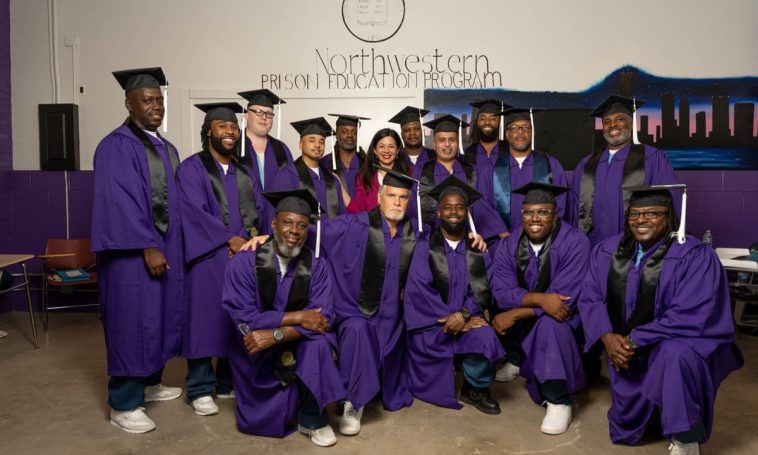
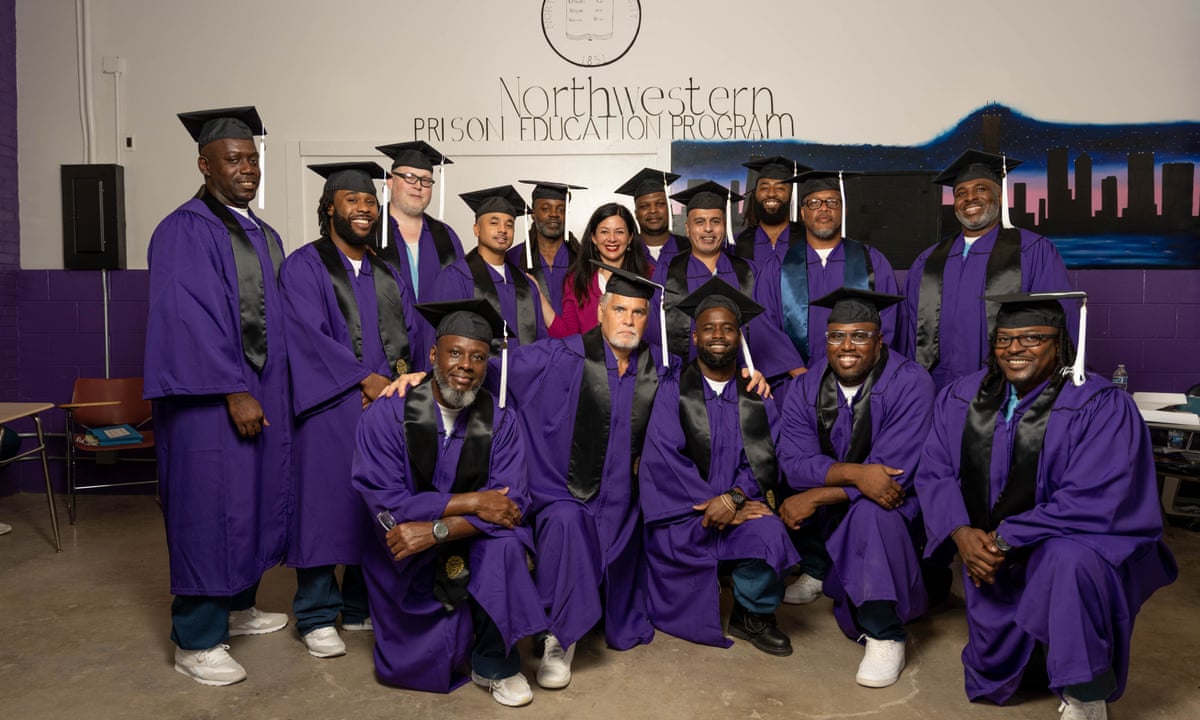
The initiative has already witnessed over 10,000 PDLs complete basic education and many even earn college degrees while behind bars. In addition, around 112,000 inmates have successfully finished various skills training programs that enable them to learn trades and develop abilities that can be applied when they rejoin society. Although these numbers represent a promising start, there is still a long road to walk, with twists and turns that require careful attention and persistent effort.
The program’s primary goal is to rebuild lives by arming individuals with essential knowledge and skills needed for a productive post-incarceration life. By providing education and vocational training, the government aims to reduce recidivism—a problem that is laden with issues—and foster safer communities that benefit everyone involved.
Prison Education and Skills Training Programs in the Philippines: Preparing for Reintegration
At the heart of this initiative is the recognition that learning extends far beyond the traditional classroom. Tailored programs in prisons focus on both academic and vocational skills, allowing participants to engage with a curriculum that is both practical and empowering. These programs are designed to explain the little details of various subjects, ensuring that even those with limited formal education prior to incarceration can grasp fundamental concepts.
Key aspects of the education and training programs include:
- Basic Elementary and Secondary Education – Providing inmates with a strong foundation in literacy, numeracy, and critical thinking skills.
- Higher Education Opportunities – Offering degree programs that enable participants to pursue bachelors and even advanced degrees while incarcerated.
- Vocational and Technical Training – Courses in carpentry, electronics, culinary arts, computer programming, and more, which are essential for obtaining subsequent employment.
- Life Skills and Personal Development – Workshops that focus on emotional well-being, communication skills, and personal finance management, the little twists that often go unnoticed.
This comprehensive education model not only prepares individuals to re-enter society but also serves as a robust platform to encourage self-improvement and instill a sense of self-worth among the inmates. By ensuring that education does not stop at the jail gates, the program aims to transform the intimidating prospect of reintegration into a more manageable and hopeful journey.
The Transformative Impact of Educational Programs in Jail Settings
The ripple effects of providing education and skills training within the prison walls are both significant and multifaceted. For many, the opportunity to learn something new becomes a turning point—a chance to break free from a cycle of repeated offenses and move towards a more stable, fulfilling life. The impact is profound for both the individuals involved and the larger communities awaiting their return.
Some of the observable impacts include:
- Personal Growth and Empowerment: Inmates who engage in educational programs often report an increased sense of self-worth. They experience a dramatic shift in their understanding of what they can achieve, even when faced with the confusing bits of a harsh environment.
- Reduced Rates of Recidivism: Evidence suggests that education helps break the cycle of reoffending by providing ex-offenders with practical skills and the confidence they need to build a future. This is a key breakthrough in addressing the tangled issues of criminal behavior and societal neglect.
- Safer Communities: When well-equipped individuals return to society, they bring with them the tools to contribute positively, reducing the likelihood of further crime and creating safer neighborhoods for everyone.
In a society eager to overcome the tough challenges of reintegration, these educational initiatives serve as a beacon for change. They signal a shift from a punitive model of incarceration to one focused on rehabilitation and second chances. The success stories that emerge from these programs are a testament to the fact that education can indeed be a super important instrument in fostering positive social change.
Benefits of Comprehensive Prison Education Programs
When evaluating the overall benefits of prison education, it is important to assess not just the individual success stories, but also the broader economic and social advantages. Consider the following table that highlights some of the core benefits:
| Benefit Category | Description |
|---|---|
| Individual Empowerment | Enhanced self-esteem and improved outlook on life through access to education and training. |
| Economic Growth | Equipping inmates with marketable skills contributes to higher employment opportunities post-release. |
| Reduced Recidivism | Education reduces the likelihood of reoffending by providing constructive alternatives to criminal activities. |
| Public Safety | Improved reintegration reduces the burden on law enforcement and contributes to overall community safety. |
| Social Cohesion | A more educated population supports healthier community relationships and lower crime rates. |
Each of these benefits underscores the importance of treating education as a critical component in the broader discussion on criminal justice reform. It is a classic example of how addressing the overlooked aspects in policy—that is, the little details—can yield impressive dividends for the community at large.
Challenges and Potential Solutions in Prison Education
While the success of the education programs is encouraging, there remain several tricky parts that must be addressed to ensure that these initiatives not only persist but grow in reach and effectiveness. The challenges in such programs are many and varied, each demanding special attention.
Limited Resources and Funding
One of the primary obstacles is the limited availability of financial and human resources. Budget constraints can lead to inadequate facilities, outdated educational materials, and insufficient staff to manage and run these programs. With an off-putting array of funding issues, it becomes nerve-racking for administrators who must make your path through these resource challenges.
Potential solutions include:
- Public-Private Partnerships: Collaborations with private organizations may help infuse additional funds and expertise into the program.
- International Aid and Grants: Tapping into global funding sources dedicated to education and rehabilitation can bolster these programs.
- Volunteer Programs: Encouraging college students and professionals to share their knowledge and skills can help bridge the staffing gaps.
The Need for Tailored Curriculum Designs
Another critical challenge is designing a curriculum that addresses the specific needs of inmates, considering the unique environment and the complexities of life behind bars. Incarcerated individuals often come with a wide range of educational backgrounds, making a one-size-fits-all approach impractical. The program must be full of problems related to diverse learning needs, which requires instructors to get into the fine points of curriculum customization.
Steps to overcome this obstacle might involve:
- Needs Assessment: Conduct regular surveys and assessments to understand the varying educational levels and interests of inmates.
- Modular Curriculum: Develop modular courses that can be tailored to different proficiency levels, allowing everyone to benefit regardless of their starting point.
- Feedback Mechanisms: Implement feedback systems so that courses can be refined and adjusted based on success rates and learner satisfaction.
Overcoming Stigma and Enhancing Post-Release Support
A persistent issue is the societal stigma attached to formerly incarcerated individuals. Even when a person has earned a degree or honed a trade inside prison, the off-putting shadow of their past can make the process of finding employment or reintegrating into society intimidating. Overcoming these nerve-racking biases is essential to fully harnessing the benefits of the education programs.
Possible interventions include:
- Employer Incentive Programs: Government-backed incentives that encourage employers to hire reformed individuals could make a significant impact.
- Community Reintegration Programs: Initiatives that bridge local communities and ex-inmates can foster a more inclusive environment and reduce prejudice.
- Continued Counseling and Mentorship: Post-release support that includes mentorship and counseling services can help ex-offenders adjust to life outside prison and smoothly transition into new roles.
Dealing with these challenges means not only addressing the immediate problems within prison education but also tackling the broader, sometimes tense issues of social reintegration. When these challenges are met head-on, the education system for inmates becomes a robust mechanism that benefits all sectors of society.
Expanding Access to Higher Education Behind Bars
The opportunity to pursue higher education while incarcerated is a cutting-edge development that demonstrates a commitment to overcoming the tricky parts in traditional reentry programs. By empowering individuals to earn college degrees, the program offers a pathway for those who may have never envisioned a future beyond their current circumstances.
Higher education behind bars has several super important advantages:
- Critical Thinking and Broad Perspectives: University-level education fosters a more analytical approach to problem-solving and broadens the horizons of the inmates.
- Professional Credentials: Earning a degree provides an official recognition of competency, which can be a game-changer when seeking jobs in competitive industries.
- Long-Term Economic Benefits: Educated individuals are more likely to secure higher-wage opportunities post-release, which ultimately contributes to better economic outcomes for families and communities.
Efforts to expand higher education in correctional facilities often require a reevaluation of policies to remove bureaucratic hurdles. Government agencies and academic institutions are increasingly learning to work together to streamline the process, ensuring that degrees earned behind bars are recognized and valued outside prison walls.
Integrating Vocational and Technical Training in Correctional Education
Alongside academic education, vocational and technical training plays a key role in preparing inmates for life after incarceration. These programs, which include training in areas such as automotive repair, electric vehicle maintenance, and industrial manufacturing, serve two fundamental purposes: they instill a sense of purpose and establish a practical skill base that can be immediately applied in the job market.
This approach comes with several benefits:
- Practical Skill Acquisition: Courses are designed to offer hands-on experience, enabling inmates to learn trades that are in high demand in the modern economy.
- Immediate Job Readiness: Skills learned in programs such as automotive repair or electric vehicle maintenance allow individuals to enter the workforce quickly upon release.
- Economic Self-Sufficiency: With marketable skills, ex-inmates are better positioned to support themselves financially, reducing the long-term dependency on social services.
Many experts argue that by nurturing a blend of academic learning and vocational training, the program manages not only to educate but also to inspire confidence among inmates. This is especially important for those whose previous experiences may have left them feeling overwhelmed by the thought of rejoining society.
Economic and Social Implications of Prison Education Initiatives
The benefits of prison education extend past individual transformation, potentially influencing broader socioeconomic trends. The skills and advanced knowledge carried by reformed individuals can lead to a more innovative, productive workforce—one that is better equipped to contribute to various industries, ranging from industrial manufacturing to automotive services, and even cutting-edge sectors like electric vehicles.
Some of the economic and social implications include:
- Boosting the Workforce: With a pool of individuals who have received both academic and vocational training, industries stand to benefit from a more skilled labor force capable of handling the challenging bits of modern manufacturing and technological advancements.
- Reducing the Burden on Public Systems: As recidivism rates drop, there is a decreased strain on the criminal justice system and social welfare programs—a win for both economic management and community safety.
- Encouraging Community Development: Inmates who successfully reintegrate become active, contributing members of society, thus leading to more cohesive and resilient communities.
Moreover, by looking at these programs through the lens of long-term social investment, it becomes clear that the paid price in educational resources and restructured correctional models is minor in comparison with the significant savings in reduced crime rates and improved community well-being. This gradual, yet steady, shift in policy is a testament to the larger, untapped potential of rehabilitation-centered models in criminal justice.
Government Policy and Future Prospects for Criminal Justice Reform
The steps taken by the DILG and the BJMP are an encouraging sign that governments can work through the tricky parts of reforming the criminal justice system. Policy decisions that put rehabilitation over retribution are not without their challenges, including political opposition and budget constraints. However, the growing success of educational programs behind bars suggests that these challenges can be addressed through persistence, innovation, and collaboration at multiple levels of government and society.
Policy recommendations for the future include:
- Increased Allocation of Resources: Governments should prioritize funding for education and training programs within the correctional system to expand current initiatives.
- Strengthened Collaboration Between Sectors: A joint effort from public institutions, private companies, and academic bodies can help craft curricula that are relevant and up-to-date with industry standards.
- Legislative Reforms: Updating existing laws to recognize and support the academic credits and vocational certificates earned behind bars will help guarantee that inmates’ efforts are valued after release.
- Monitoring and Evaluation: Setting up robust systems to continuously monitor the outcomes of these programs can assist policymakers in making informed decisions about scaling up or modifying current initiatives.
These recommendations not only address the immediate issues of funding and resource allocation but also represent a forward-thinking approach to reforming a system that has long been loaded with issues. By taking a closer look at the successes of these educational programs, policymakers can figure a path that turns incarceration into a stepping stone towards a brighter and more productive future.
Lessons Learned from Implementing Education Programs in Correctional Facilities
The successes and setbacks observed in these programs offer essential lessons that can be applied in future reforms. For instance, a methodical approach that blends academic coursework and hands-on vocational training has proven to be a game-changer. Here are some of the key lessons learned:
- Focus on Comprehensive Education: Addressing both academic and technical training ensures that individuals are well-prepared to face the small distinctions between different career paths.
- Flexibility in Curriculum Design: A modular approach helps to cope with the twisted and tangled issues that arise from the diverse educational backgrounds of inmates.
- Community and Industry Engagement: Bringing industry experts into the classroom and facilitating mentorship opportunities bridges the gap between theoretical learning and practical application.
- Ongoing Support and Follow-Up: Establishing strong post-release programs and continued counseling is key to maintaining the momentum gained during incarceration.
These lessons underscore the importance of being adaptable and open to change when implementing reforms in a system known for its challenging parts. They also reveal that even the most intimidating problems can be broken down into manageable components with targeted interventions.
Ensuring Long-Term Success: A Shared Responsibility
The journey towards reducing recidivism rates and creating sustainable reentry pathways is a shared responsibility. It requires the commitment of government bodies, community organizations, educators, and the private sector. Every stakeholder has a role to play in ensuring that the education provided behind bars translates into meaningful opportunities in society.
Key ways different sectors can contribute include:
- Government: Increase funding, implement supportive policies, and maintain robust evaluation frameworks.
- Educational Institutions: Adapt and expand distance learning, flexible class schedules, and tailor-made curricula for inmates.
- Industry Leaders: Offer training, apprenticeship programs, and post-release job opportunities for those who have successfully completed the programs.
- Community Organizations: Provide mentorship, support networks, and local reentry initiatives to help formerly incarcerated individuals integrate effectively.
By taking the wheel collectively, all sectors can help ensure that no potential goes untapped. This interconnected approach acknowledges that reform is not a one-off event but a continuous process of learning, adapting, and evolving with time. When the community rallies behind such initiatives, the former inmate finds not just support within prison walls but also a compassionate society waiting to embrace their potential.
Economic Incentives and the Return on Investment in Correctional Education
The economic implications of investing in prison education are significant. With the infusion of educated and skilled individuals into the workforce, there is a potential boost to economic growth and innovation. The return on investing in prison education extends well beyond immediate financial gains—it fosters an environment where former inmates can eventually contribute to the country’s industrial manufacturing, modern automotive sectors, and even emerging markets like electric vehicles.
Consider the following benefits as a checklist of economic incentives:
- Cost Savings: Reduced recidivism means fewer expenditures on re-incarceration and law enforcement, translating into substantial long-term savings.
- Increased Labor Market Productivity: With new skills and certifications, individuals enter the workforce as productive, contributing citizens, filling job vacancies in critical sectors.
- Entrepreneurial Opportunities: Some ex-offenders use the education and vocational training received to start their own small businesses, further boosting local economies.
This checklist highlights not only the direct benefits of the education program but also the broad economic multiplier effect. More skilled labor leads to greater industrial competence, which in turn drives innovation and competitiveness on a national scale.
Conclusion: A Forward-Looking Vision for Society
The transformative journey of over 10,000 PDLs who have completed basic education and even earned college degrees, alongside 112,000 individuals who have finished practical skills training, is a testament to what determined policy and collaborative efforts can achieve. Education behind bars is a critical tool—a must-have element in modern strategies for criminal justice reform, offering hope to those who might otherwise be trapped in a cycle of reoffending.
The program not only helps individuals reclaim their self-worth and build a foundation for future success but also benefits the wider community by reducing safety concerns and boosting economic productivity. The creative fusion of academic learning and vocational training paves the way for a more inclusive society—one where every individual, regardless of their past, is given a fair chance to start anew.
As society continues to face the tricky parts of rehabilitating ex-offenders and integrating them into our communities, the importance of educational programs within the correctional system cannot be overstated. The efforts spearheaded by the DILG and BJMP represent a key moment in rethinking how we address incarceration and reintegration. By working through the small distinctions between past mistakes and future potential, this initiative sets a compelling example for nations around the world.
Every step taken to improve prison education—whether it involves the implementation of flexible curricula, the establishment of partnerships with industry leaders, or the development of comprehensive post-release support systems—is a step towards building a society that values growth over punishment and redemption over retribution.
In conclusion, the story of learning behind bars is not just about numbers and statistics; it is a story of hope, transformation, and the relentless human spirit. It teaches us that with the right blend of support, determination, and educational opportunities, even the most intimidating circumstances can be transformed into platforms for success. The promising results observed in the Philippine correctional education initiatives provide a beacon of hope—a clear indication that when we invest in people, we invest in the future of our entire community.
As we look towards a future that aims to make way for innovative reforms in criminal justice, it is essential to remember that every educational opportunity given behind bars helps lay the groundwork for safer, more productive communities. It is a reminder that with persistence, collaborative efforts, and a commitment to empowering every individual to reimagine their future, even the dark corridors of incarceration can lead to the bright lights of new beginnings.
Originally Post From https://www.facebook.com/dilg.philippines/posts/read-learning-behind-bars-over-10k-pdls-complete-basic-education-earn-college-de/1136605555170833/
Read more about this topic at
University Beyond Bars
College Behind Bars