The Silver Tsunami: A New Reality Reshaping Our Homes and Communities
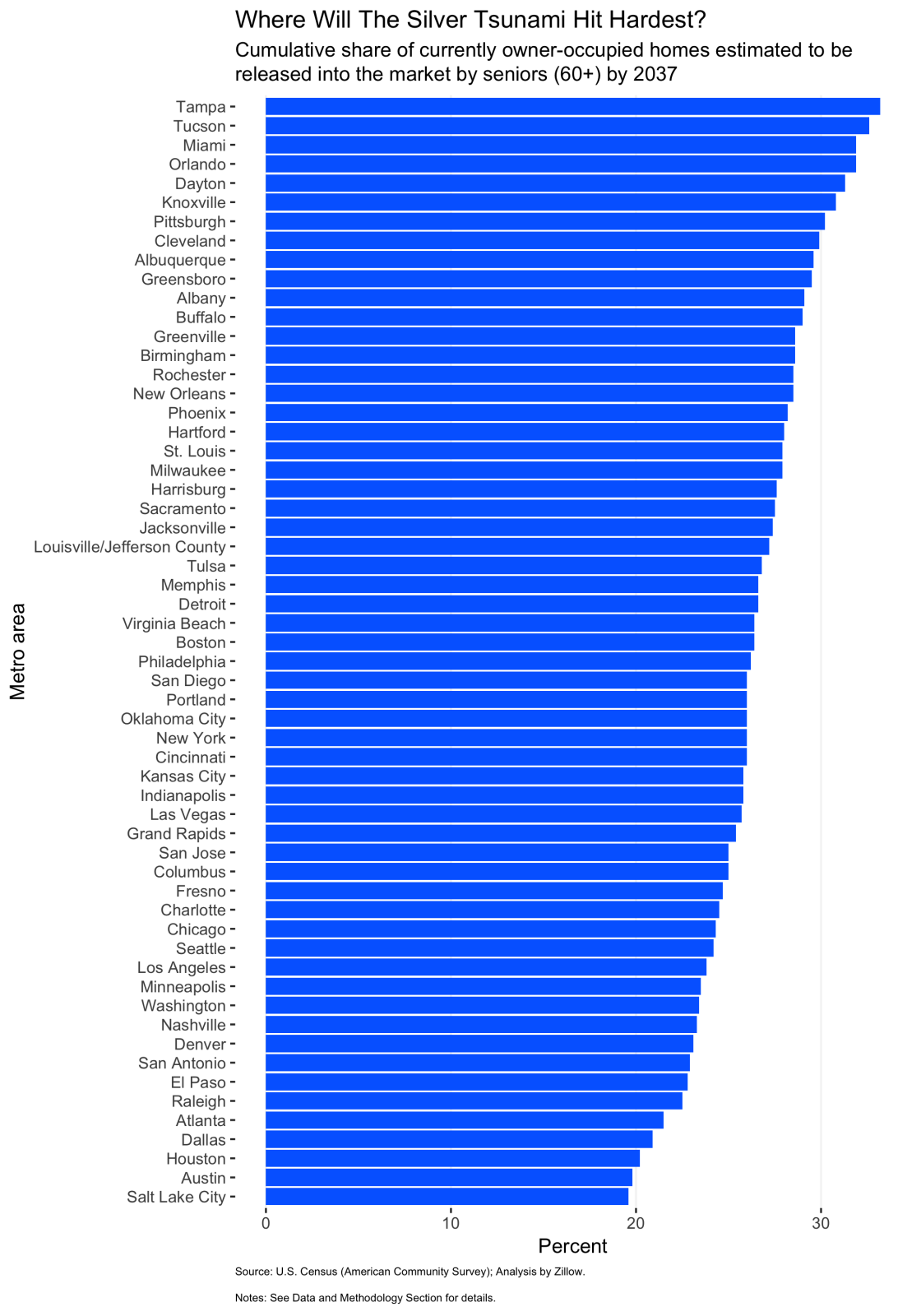
The “Silver Tsunami” is not a myth or a looming threat on the horizon—it’s a reality that has washed over the real estate market and our communities. With more than 70 million Americans aged 65 and older and baby boomers regaining their prominence as key buyers and sellers, our housing landscape is undergoing significant changes. In this opinion editorial, we take a closer look at the shifting dynamics of home ownership, remodeling, and maintenance in light of an aging population, and we offer insights on how homeowners, real estate professionals, and home improvement experts can adapt to these trends.
Real Estate Market Impact of Aging Baby Boomers
Baby boomers, those aged between 60 and 78, now represent a massive portion of both the buying and selling market. Their accumulated home equity, earned over decades, is being funneled into financing new, more suitable living environments that complement their evolving needs. As many boomers choose to either downsize or fundamentally reconfigure their living spaces, it raises important questions about the future of our neighborhoods and community infrastructures.
Jessica Lautz, deputy chief economist and vice president of research at a leading realtor organization, recently remarked that baby boomers are “holding the cards” in today’s housing market. Their financial power, combined with decades of investments in their homes, positions them to make pivotal decisions that could transform market supply and influence home improvement trends nationwide.
This demographic shift has led many industry professionals to rethink how they approach real estate transactions and home improvement projects with a strong emphasis on refining older homes that might not initially meet modern safety or accessibility standards. Maintaining memories while embracing change is a tricky balance, but it is one that is essential as this silver generation redefines what home means.
Downsizing or “Rightsizing”: Embracing Change with a Personal Touch
Downsizing, or more aptly termed “rightsizing,” is about a lot more than just reducing square footage—it’s a personal, sometimes emotional transition that many older homeowners face. Often filled with memories and sentimental pieces accumulated over decades, the process of letting go can be both overwhelming and nerve-racking.
Planning Ahead to Tackle the Tangled Issues of Downsizing
One key strategy in making the transition smoother is to begin the process well before listing a home. It is super important to sort out what belongings hold sentimental value versus what could be sold, donated, or discarded. By organizing household items into categories, families can tackle these confusing bits systematically. Here is a simple breakdown:
- Sentimental Items: Keep what truly holds personal meaning.
- Sellable Items: Items that can be sold via estate sales or online platforms.
- Donation Candidates: Items that could benefit charitable organizations.
- Disposal: Items that no longer serve a purpose or are too large and cumbersome to store.
This method not only provides a clear path for sorting through belongings but also helps in making the overall process less intimidating. Working with professionals who understand these delicate transitions is also super important; this might include senior relocation specialists or even local charities that help with bulky item removal and donations.
Creating a Comfortable New Home Environment
As older homeowners transition to more suitable properties, it is crucial that their new environments carry elements of their past life. Maintaining recognizable furnishings, the placement of a cherished lamp, or even the location of a favorite book on a bedside table can help in easing the emotional transitions. Injecting elements of the familiar into new spaces ensures that while the exterior changes, the heart and soul of a home remain intact.
In cases where family members assist in these transitions, creating a checklist of household items to keep or reconfigure can help streamline the process. Engaging a professional who specializes in estate clear-outs can make the experience less nerve-racking and help preserve important family memories as well as relationships throughout the move.
Aging in Place: Shaping Homes for Safety and Ease
Staying in one’s long-time home, a preference expressed by many baby boomers, has many benefits including familiarity and avoiding potential tax implications tied to selling. However, older homes often hide little details that may turn into confusing bits of safety hazards over time. Whether it’s steep stairs, inadequate lighting, or slippery bathroom floors, these pitfalls can become problematic if not addressed proactively.
Home Modifications that Enhance Accessibility
Adapting a home for safe aging in place involves more than just minor adjustments; it calls for a thoughtful reworking of existing layouts and sometimes, significant remodeling investments. Universal design elements offer an excellent solution. Consider the following modifications to upgrade older homes:
- Lever-Style Door Handles: These are easier to operate for those with arthritis or limited strength.
- Step-Free Entries: Eliminates the need to use stairs or ramps, reducing the risk of falls.
- Wider Doorways: Accommodates mobility aids such as walkers and wheelchairs.
- Improved Lighting: Especially in hallways and bathrooms, ensuring that spaces remain well-lit to reduce accidents.
- First-Floor Bedroom Options: Minimizes the need for climbing stairs during nighttime trips.
These changes not only ensure a safer living environment but also signal to potential buyers or renters that the home is designed with modern needs in mind. In many cases, it is a super important investment that will pay off both emotionally and financially in the long run.
Integrating Smart-Home Technology for Peace of Mind
Beyond physical modifications, technological upgrades have proven to be game-changers for seniors who choose to age in place. Home improvement projects increasingly incorporate smart-home technologies that add an additional layer of security and comfort. Consider these modern additions:
- Motion-Activated Lighting: Automatically turns on lights when movement is detected, reducing the risk of falls at night.
- Door Alerts: These devices alert homeowners if an entryway is left unlocked or if someone unusual enters the property.
- Voice-Activated Assistants: Allow homeowners to control lighting, temperature, and security systems without needing to move around too much.
Integrating these smart solutions can be a key part of modernizing a home, ensuring that residents have both the independence and the support needed to stay safe. Professionals in home improvement and remodeling have a responsibility to include these subtle parts in their plans, making sure that every aspect of a home supports the changing needs of its occupants.
Embracing Flexibility: The Rise of Multigenerational Living
Another emerging trend reshaping our housing market is the rise in multigenerational living. With families seeking both the financial benefits of shared living expenses and the emotional support that comes with staying closer to loved ones, the demand for homes that comfortably accommodate multiple generations is at an all-time high.
Designing Homes for Shared Living Spaces
Modern builders and developers are responding with innovative layouts that make shared living both practical and comfortable. New homes are increasingly featuring dual primary suites, complete with en suite baths, private entrances, and even secondary kitchenettes. These thoughtful design choices allow for independent living while still maintaining a sense of togetherness.
Consider a table that highlights some key features attractive to multigenerational families:
| Feature | Benefit | Notes |
|---|---|---|
| Dual Primary Suites | Ensures privacy for separate family units | Useful for older and younger generations |
| Secondary Kitchenettes | Facilitates independent meal preparation | Supports different lifestyles under one roof |
| Private Entrances | Increases autonomy and security | Allows each unit to function like a standalone home |
| Accessible Living Spaces | Caters to the needs of older family members | Integrates safety features needed for aging in place |
According to recent data, nearly 17% of homebuyers opted for multigenerational homes in the past year—a record that indicates a clear shift in how families view home spaces.
Maximizing the Financial and Emotional Benefits
Multigenerational living is more than a financial decision—it can also strengthen familial bonds and provide a built-in support network. While there are plenty of fine points to consider, such as legalities related to title and ownership when multiple generations invest in one property, the benefits of shared home ownership often outweigh these tangled issues.
Here are a few steps families can take to streamline the process and avoid common pitfalls:
- Early Financial Planning: Couples should sit down with a financial advisor to ensure that combining resources will benefit everyone involved.
- Legal Consultation: Consult with legal experts to iron out title and inheritance details to avoid messy disagreements down the road.
- Layout Considerations: Ensure that the home design allows for both shared spaces and enough privacy for each family unit.
For agents and home improvement experts, understanding the unique needs of multigenerational households is essential. Being able to identify houses that already offer or can be easily remodeled to include extra bedrooms, separate entrances, or flexible layouts could open up a new niche market in today’s evolving housing arena.
Adapting Home Improvement Strategies for the Silver Generation
As homeowners age, their needs extend well beyond style or mere aesthetics. Today’s seniors are focused on functionality, safety, and the ability to modify their space as their physical and emotional requirements evolve. In our rapidly aging society, the importance of tailored home improvement strategies cannot be overstated.
Prioritizing Safety Upgrades
For many aging homeowners, the primary focus of any renovation project is safety. Upgrading bathrooms with low-curb or curbless showers, installing grab bars, and replacing outdated flooring with slip-resistant surfaces are a few measures that not only increase safety but also boost overall home value. The following bullet list details some safe home improvement projects:
- Bathroom Safety Upgrades: Install curbless showers, secure grab bars, and improve lighting.
- Entrance Modifications: Add ramps and widen doorways to accommodate mobility devices.
- Flooring Improvements: Replace slick flooring with non-slip alternatives, especially in frequently used areas.
- Stair Modifications: Incorporate handrails on both sides and ensure steps are well-lit.
These changes may seem like small tweaks, but they are super important for preventing serious accidents and providing peace of mind for families worried about the safety of an aging loved one.
Modernizing with a Blend of Tradition and Innovation
Even as older homeowners continue to cherish the memories embedded in their homes, there is a growing interest in integrating modern technology to ease daily living. Home improvement professionals are tasked with blending the old with the new—striking a balance between preserving sentimental value while introducing smart, accessible home systems.
This might involve a combination of traditional remodeling and the integration of modern smart-home devices. For example, installing voice-controlled lighting can reduce the physical strain of operating switches, while digital security systems can offer reassurance without being intrusive.
Creating a plan that respects the sentimental journey of aging homeowners, yet introduces devices that support an independent lifestyle, is one of the most challenging twists and turns for home improvement experts today. It requires a deep dive into every aspect of home functionality, ensuring that safety upgrades and technological enhancements share the stage seamlessly.
Expert Guidance: The Role of Professional Support in Transitioning Homes
Given the full array of issues—from rightsizing and aging in place to multigenerational living—the value of expert support in the real estate and home improvement space cannot be stressed enough. Experienced professionals can help homeowners find their way through the twists and turns of large-scale transitions while understanding both the emotional and practical components involved.
Collaborating with Specialized Relocation Services
Relocation across generations or due to downsizing is typically nerve-racking. Specialized relocation companies often work in tandem with real estate agents to manage the logistics of moving, decluttering, and remodeling. By employing professional teams who are well versed in sorting through the confusing bits of long-held possessions, homeowners can significantly reduce the off-putting challenges often associated with large moves.
These professionals can offer:
- Strategic Estate Sales: Platforms that help in liquidating old possessions efficiently.
- Removal and Donation Services: Expert teams that manage bulky furniture or sentimental items that are hard to dispose of.
- Emotional Guidance: Specialists who help homeowners cope with the tension of parting with a long-time residence.
The collaboration between these experts and real estate professionals creates a support network that is super important for mitigating the nerve-racking experience of senior transitions. For families and agents alike, having a trusted team can transform a potentially overwhelming process into a manageable series of steps.
Enhancing Professional Networks for Tailored Home Improvements
Over the past few years, real estate agents and home improvement specialists have begun working more closely with certified aging-in-place experts. These professionals, often designated as Certified Aging-in-Place Specialists (CAPS), are trained in evaluating and retrofitting homes with accessible, universal design features.
This collaboration benefits older homeowners by:
- Identifying Hidden Complexities: Professionals help in pinpointing subtle parts of the home that might need upgrades.
- Offering Tailored Solutions: Customized modifications that align with evolving physical needs.
- Ensuring Long-Term Value: Remodeling projects that not only elevate safety but also increase property value for future resale.
For agents and contractors, tapping into the expertise of CAPS professionals is key to setting themselves apart in what is an increasingly competitive market. Being able to confidently take a closer look at a property’s potential for aging-in-place or multigenerational living can make all the difference.
Future Trends: What Lies Ahead in Home Improvement and Real Estate?
The landscape of home improvement is evolving as fast as the demographics of our communities change. While the Silver Tsunami is a well-recognized phenomenon today, its influence is set to grow in the next decade, driven by the continuous influx of baby boomers into the senior bracket and the rising popularity of multigenerational homes.
Anticipating Shifts in Remodeling Priorities
In the near future, the following areas are likely to become even more super important for both sellers and buyers:
- Enhanced Accessibility: Remodeling projects will increasingly prioritize features that ensure safe, comfortable aging-in-place. This ranges from wider doorways and ramp installations to the integration of smart-home systems that monitor daily activities.
- Sustainable Upgrades: Eco-friendly materials and energy-efficient solutions will be on the rise, as all generations become more environmentally conscious.
- Customizable Spaces: Flexibility in home design will continue to be key, especially in homes that serve multigenerational families. Modular design elements that can be reconfigured as family needs change are expected to catch on.
- Combining Aesthetics With Function: While style remains important, the new wave of home improvements must also meet practical needs—reducing hazards and enhancing comfort while preserving a home’s charm and sentimental history.
The breadth of these changes calls for both home improvement professionals and real estate agents to take a closer look at every project opportunity. It’s a time when flexibility, innovation, and a clear understanding of the small distinctions in homeowners’ needs will drive success in the market.
Community Impact and Local Infrastructure Enhancements
Aging populations often spur improvements in community and local infrastructure. As a greater number of senior homeowners look to age in place, local governments and neighborhoods may need to invest in:
- Enhanced Public Transportation: To serve communities with a higher concentration of older adults.
- Accessible Public Spaces: Parks, community centers, and sidewalks that better accommodate individuals with mobility challenges.
- Medical and Emergency Services: Increased proximity to health care and emergency response facilities becomes a key concern in planning residential developments.
These community-level improvements not only benefit the aging population but also enhance property values and living standards for all residents. Real estate professionals who understand these shifts can better serve clients by highlighting these local advantages when listing or remodeling properties.
Personal Reflections on the Future of Home and Community
From decades-old family homes filled with memories to modern, multigenerational spaces that promote togetherness and independence, the American housing market is on the brink of a significant transformation. As someone who has long followed the trends in home improvement and real estate, I believe that the key to success in this new era lies in adaptability—both in our physical spaces and in the way we approach challenges.
For seniors embarking on the journey of rightsizing or those who choose to age in place, the integration of smart technology, universal accessibility features, and personalized design is more than just a matter of practicality; it is about preserving the dignity and the lifestyle that they have worked so hard to build over the years.
Similarly, the rising popularity of multigenerational homes highlights how deeply connected we are as families. It also demonstrates how our communities are evolving to support new living arrangements that blend financial prudence with emotional support. In these family setups, every member contributes to a shared sense of home—a notion that is both comforting and economically sensible.
Yet, there are still plenty of tricky parts, tangled issues, and confusing bits to figure out along this journey. Homeowners, agents, and builders must all take the wheel and figure a path that not only addresses practical concerns but also acknowledges the emotional weight of these transitions. Relationships, memories, and personal histories are at stake, making these decisions as loaded with issues as they are brimming with opportunity.
Overall, in embracing the silver wave, we are not just adapting our homes—we are redesigning our way of life. The home improvement strategies and real estate insights emerging today have the power to uplift entire communities by ensuring that older adults enjoy safe, comfortable, and familiar environments while still looking towards tomorrow with confidence.
Strategies for Homeowners: Tips to Modernize Without Losing Home Essence
If you’re a homeowner facing these changes, here are some simple steps to get started:
- Begin Early: Start sorting your belongings well before any sale or renovation talks begin to avoid a nerve-racking last-minute scramble.
- Consult Experts: Whether it’s a smart-home upgrades consultant, a specialist in aging-in-place modifications, or a real estate advisor with a focus on multigenerational needs, professional guidance is a must-have resource.
- Plan Incrementally: Rather than attempting a complete home overhaul, focus on one room or area at a time. This approach reduces the confusion and allows for step-by-step improvements.
- Keep the Memories Alive: Incorporate familiar elements into new designs so your home reflects your history, even as it becomes more accessible and modern.
These strategies can help reduce the overall intimidating feeling of major home upgrades and provide a steady route to adapting your living space to your evolving needs.
The Role of Policy and Community Support in Shaping Our Future
Government policy and community initiatives are also playing a super important role in shaping how we respond to the needs of an aging population. By ensuring that housing policies are on board with emerging trends like aging in place and multigenerational living, local leaders can help secure a safer and more accessible environment for all.
Policy Initiatives That Address Community Needs
Across the nation, local governments are beginning to recognize the benefits of investing in community infrastructure improvements that cater to older adults. Policy initiatives may involve:
- Incentives for Home Modifications: Grants or tax breaks can help homeowners invest in essential upgrades like non-slip flooring, improved lighting, and smart-home technology.
- Public-Private Partnerships: Collaborations between city planners, private developers, and community organizations can lead to comprehensive projects that improve public transportation, healthcare access, and public safety.
- Accessibility Audits: Programs that review older homes across communities, offering suggestions for effective modifications, ensuring that the majority of housing stock becomes more senior-friendly over time.
The ripple effects of these policy moves extend beyond individual homes; they create safer, more vibrant communities that benefit all residents, regardless of age.
Community Initiatives That Boost Confidence and Collaboration
Local communities often form support networks and organizations dedicated to assisting seniors with home improvement projects. These groups can provide:
- Workshops and Classes: Sessions that educate homeowners on safe home modifications and options for modernizing without compromising character.
- Volunteer Programs: Community-driven help for small projects like painting, gardening, or minor renovations, alleviating the strain on older adults.
- Shared Resources: Lending libraries of tools and equipment which reduce the expenses associated with major home-improvement projects.
By rallying around these resources, communities are not only managing their own path through complex issues but also creating an environment in which aging in place is a shared, supported endeavor.
Final Thoughts: Shaping Homes for Tomorrow’s Golden Years
The evolution of our housing market, sparked by the silver tsunami, is a powerful reminder that change is constant. As baby boomers transition into later life, they are redefining home improvement, real estate, and even community planning. Whether it’s through downsizing and rightsizing, embracing smart technology for safety, or creating multigenerational spaces that honor tradition while offering modern comforts, we are witnessing a transformative period in home evolution.
This transformation is rich with opportunities for those willing to take a closer look at the fine points of design, functionality, and overall lifestyle enhancement. The journey may be filled with tricky parts and overwhelming twists, yet the collaborative efforts of homeowners, real estate professionals, home improvement experts, and community leaders are paving the way for safer, more supportive living environments that honor both the past and the future.
In conclusion, as we witness the silver tsunami in action, it is essential to remember that home improvement is not just about bricks and mortar—it is about creating spaces that nurture memories, promote independence, and ensure safety for all generations. The evolving trends in downsizing, aging in place, and multigenerational living reflect our society’s enduring commitment to care, innovation, and resilience.
Now is the time for all stakeholders—from homeowners to policy makers—to work through the confusing bits and tangled issues together, finding a clear path forward for a brighter, safer future. With a combination of traditional wisdom and modern advancements, we can embrace this transformation and build homes that are truly designed for tomorrow’s golden years.
Originally Post From https://www.nar.realtor/magazine/real-estate-news/the-silver-tsunami-in-real-estate-is-here-are-you-ready
Read more about this topic at
The Silver Tsunami: What to Expect and How to Prepare
“Silver Tsunami”: Challenges and Opportunities of an …
